
Standard grating can be a strong choice for many walkways, platforms, stair treads, and drainage areas, but some projects demand more. When higher load capacity, larger spans, demanding traffic, or harsh operating conditions are involved, heavy duty grating in construction becomes the better fit. At Drexel Supply Co., we help contractors and facility teams source grating built for real jobsite conditions.
What Makes Heavy Duty Grating Different?
Heavy duty grating in construction is designed for applications where standard bar grating may not provide the strength or performance the project requires. The difference often comes down to bearing bar size, spacing, material selection, finish, and load requirements. Heavy duty steel grating is commonly used when the surface needs to support heavier equipment, vehicle traffic, industrial loads, or frequent use in demanding environments.
Standard grating is often used for pedestrian access, light industrial walkways, or general platform flooring. Heavy duty grating in construction is used when the grating must do more than provide a walking surface. It may need to support rolling loads, machinery, service vehicles, material handling equipment, or other high demand use cases.
Where Heavy Duty Grating Is Used
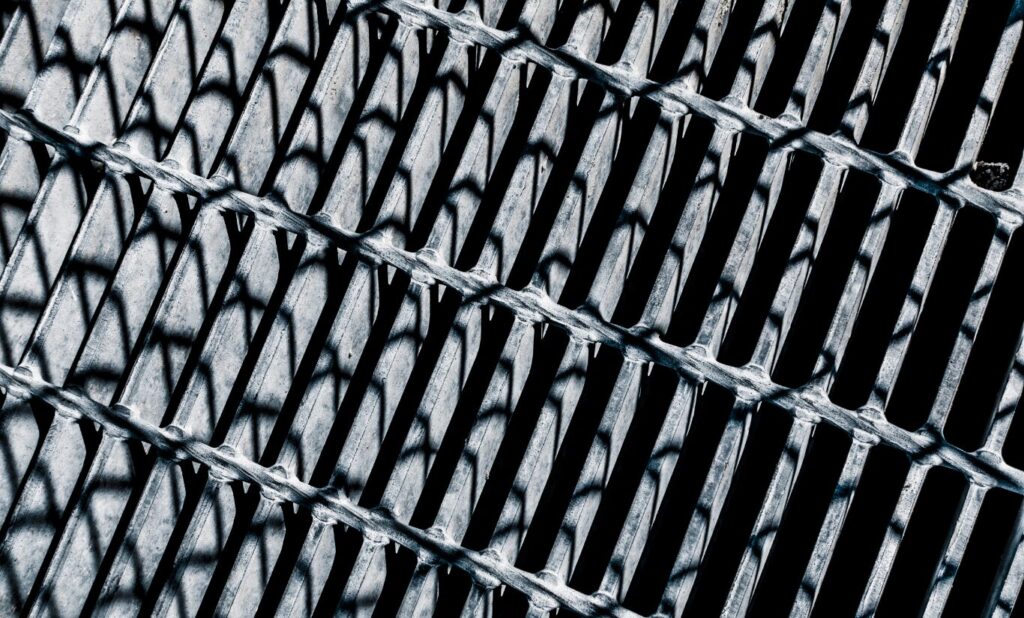
Heavy duty grating in construction can be found across commercial, municipal, industrial, utility, and infrastructure projects. Common applications include equipment platforms, industrial flooring, trench covers, loading areas, ramps, catwalks, mezzanines, plant access areas, and spaces where heavy maintenance activity takes place.
It is also useful in environments where drainage, airflow, visibility, and access are important. Unlike solid plate or poured surfaces, grating allows water, debris, light, and air to pass through open spaces. This can make it practical in outdoor facilities, processing areas, utility plants, and spaces where solid flooring may not be ideal.
Why Load Capacity Matters
One of the biggest reasons to choose heavy duty grating in construction is load capacity. A grating surface must be able to handle the weight placed on it without excessive movement or premature wear. That means the design should consider what will cross the grating, how often it will be used, the span direction, and the support structure beneath it.
For example, a pedestrian walkway and an equipment access platform may look similar, but they can have very different performance needs. A trench cover in a vehicle path may need a different grating design than a walkway near a building entrance.
Choosing the right product early helps reduce installation issues and supports safer performance. OSHA’s walking-working surfaces standard states, “The employer must ensure that each walking-working surface can support the maximum intended load for that surface.” This is why load requirements, span direction, support spacing, and expected traffic should be reviewed before selecting heavy duty grating in construction.
Material, Spacing, and Finish Options
Heavy duty grating in construction is often made from steel because steel offers excellent strength and durability. Depending on the project, galvanized or stainless options may be considered for areas exposed to moisture, weather, chemicals, or corrosion concerns. The right finish can make a major difference in how well the grating holds up over time.
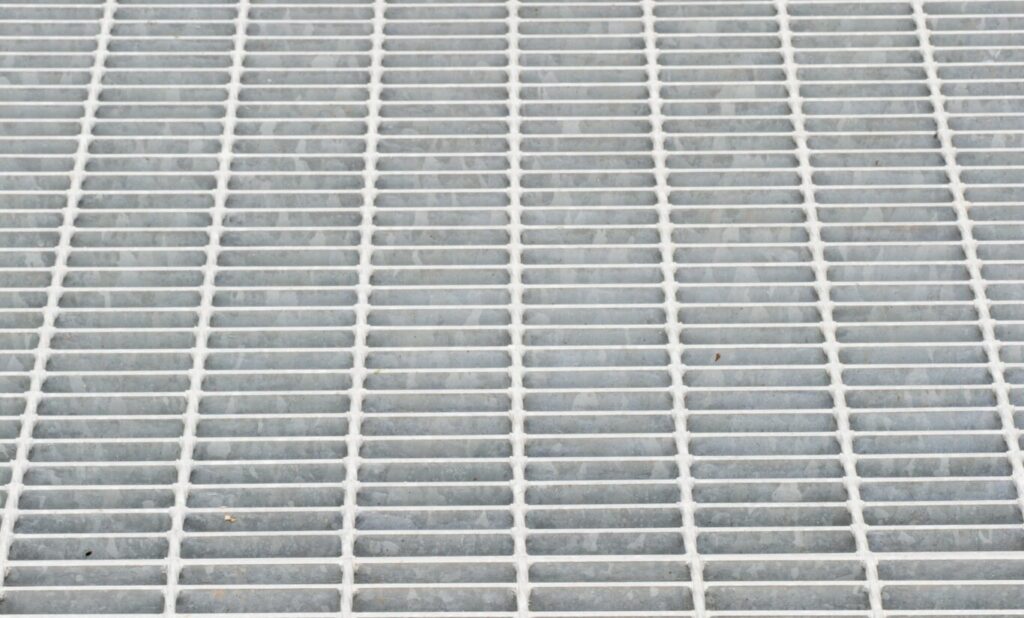
Spacing is another key factor. Heavy duty steel grating can be selected with different bearing bar and cross bar spacing depending on the application. Closer mesh options can help limit the passage of smaller objects, while more open designs may suit projects where drainage, airflow, or weight reduction is a priority.
What to Know Before Ordering
Before ordering heavy duty grating in construction, it helps to gather a few important details. Project teams should know the type of grating needed, bearing bar depth and thickness, span direction, dimensions of the area to be covered, required anchors, preferred finish, and shipping or site requirements. A sketch of the area and supporting structures can also help ensure the material is matched to the project.
It is also important to think about surface conditions. If the area may be exposed to oil, grease, water, ice, or other slippery conditions, serrated bearing bars may be worth considering. Safety, load performance, drainage, corrosion resistance, and installation needs should all be part of the selection process.
Built for Demanding Construction Needs
Heavy duty grating in construction is not a one size fits all material. Every project has its own combination of load requirements, layout, spacing, finish, and installation details. Drexel Supply Co. offers heavy duty steel grating options for demanding construction and industrial applications, including custom solutions, large grates, different spacing options, and finish choices such as galvanized or stainless steel when appropriate.
When standard grating is not enough, heavy duty grating in construction provides the added strength, durability, and flexibility needed for tougher applications. For contractors and facility managers, Drexel Supply Co. is ready to help source grating built for the work ahead.